

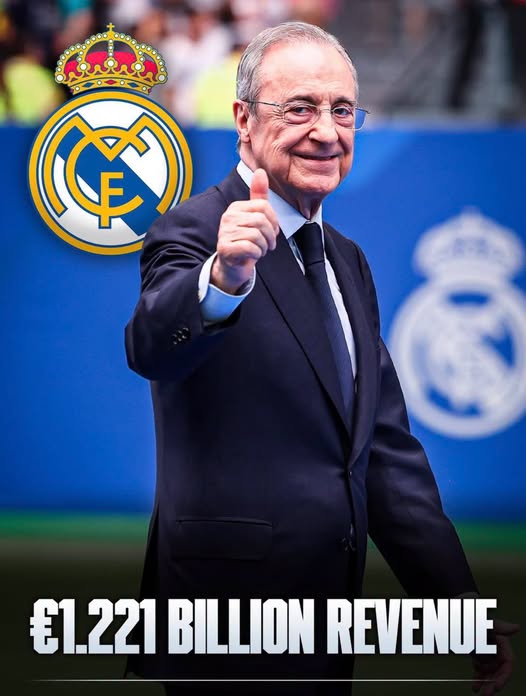
The financial statement, approved by the club’s board of directors on Tuesday, July 28, 2026, solidifies Los Blancos as the undisputed financial leader of the entire global sports industry. The historic results mark the third consecutive year that Real Madrid has posted record revenues, alongside a continuous five-season streak of top-line turnover growth.
🏟️ The Remodeled Bernabéu Drives Historic Growth
The primary catalyst behind Real Madrid’s unprecedented financial surge is the commercial success of the newly renovated Santiago Bernabéu Stadium, which is now practically complete.
- Stadium Income Explosion: Direct revenue generated from stadium operations and memberships rose by 11% year-on-year to €363 million. This figure is more than double what the stadium generated prior to its multi-million euro redevelopment.
- Commercial Power: Marketing and sponsorship income jumped by 6% to a staggering €539 million, heavily boosted by the renewal of primary sponsorship agreements and the addition of new global commercial partners.

📊 Key Financial Performance Metrics
Despite failing to secure a major domestic or continental trophy during the campaign, Real Madrid’s corporate machinery maintained exceptional financial stability across all operational columns:
- Gross Operating Revenue: €1.221 billion (excluding player transfer injections, up 3.1% from the previous year).
- EBITDA (Earnings Before Taxes): Reached a historic club high of €287.4 million, representing a powerful 18% increase year-on-year.
- Net Profit After Tax: Stood at €26.3 million (an 8% increase compared to the 2024/2025 season), extending the club’s profitable run to 26 consecutive years.
- National Fiscal Contribution: The club contributed a massive €354.8 million to tax authorities and social security systems over the financial year.
💸 Pulling Away From the Elite Market
The official figures place Real Madrid comfortably ahead of rival football institutions and American sporting leagues. While revenue across competing teams has largely flattened or relied heavily on player sales, Real Madrid’s ability to generate cash directly through its stadium events and merchandising ecosystems ensures complete financial autonomy. [1]
With total net assets calculated at €624 million and a massive net debt reduction down to a mere €9 million (excluding specific stadium infrastructure loans), president Florentino Pérez has successfully constructed an elite financial fortress. This massive financial muscle is already being deployed in the summer transfer window as the club finalizes a blockbusting nine-figure deal to sign Ivorian prodigy Yan Diomandé.