
A Financial Turning Point for African Football
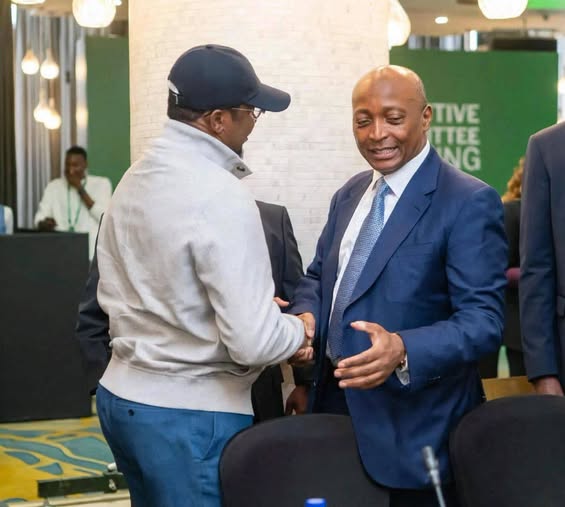
As an Editor tracking the dramatic economic overhauls that dictate the grassroots growth of our game, a historic announcement has just dropped from the offices of the continental governing body. The Confederation of African Football (CAF) has officially announced a massive increase in annual financial support to its 54 member federations, including Cameroon’s FECAFOOT. Each national football association will now receive a staggering $700,000 annually, which translates directly to roughly 408 million FCFA, injected straight into local development budgets.
The Incredible Scaling of Continental Subsidies
This newly approved cash windfall represents an extraordinary financial expansion project spearheaded over the last five seasons, showcasing a rapid step-by-step ladder of structural growth:
- The 2021 Baseline: Merely five years ago, member associations were operating on a modest annual subsidy of just $200,000.
- The First Surge: The grant was subsequently doubled to $400,000 as commercial broadcast rights gained massive traction.
- The Stepping Stone: The figure was later scaled to $525,000 following historic tournament profits.
- The Ultimate Summit: The latest executive decree pushes the bar to its final milestone of $700,000 (408 million FCFA) per year, cementing a staggering 250% increase in developmental funding since 2021.
Editorial Perspective: A Lifeline for Local Infrastructure
From my desk, this budget update represents a monumental administrative triumph for African football governance. For decades, local critics have routinely attacked federations like FECAFOOT over severe logistical constraints, lack of medical equipment for youth categories, and poor compensation structures across lower-tier leagues. By systematically driving up these direct financial lifelines, CAF is effectively stripping away excuses from domestic administrators.
For Cameroon, an annual, guaranteed capital injection of 408 million FCFA provides the ultimate baseline security to modernize local training centers, support the impending kickoff of our domestic championships, and completely insulate regional grassroots talent identification from standard government budgetary limits. All eyes now turn to the execution of these funds to ensure this massive commercial stardust translates directly into pitch supremacy.